Home HD
I have a chronic illness, so I built a system to run my life around it. This series walks through the whole thing — the daily tracker, the data, the AI assistant, the £0 cloud architecture, and the readiness score I'm building next. Real system, in daily use, screenshots with synthetic data.
-
 Part 1
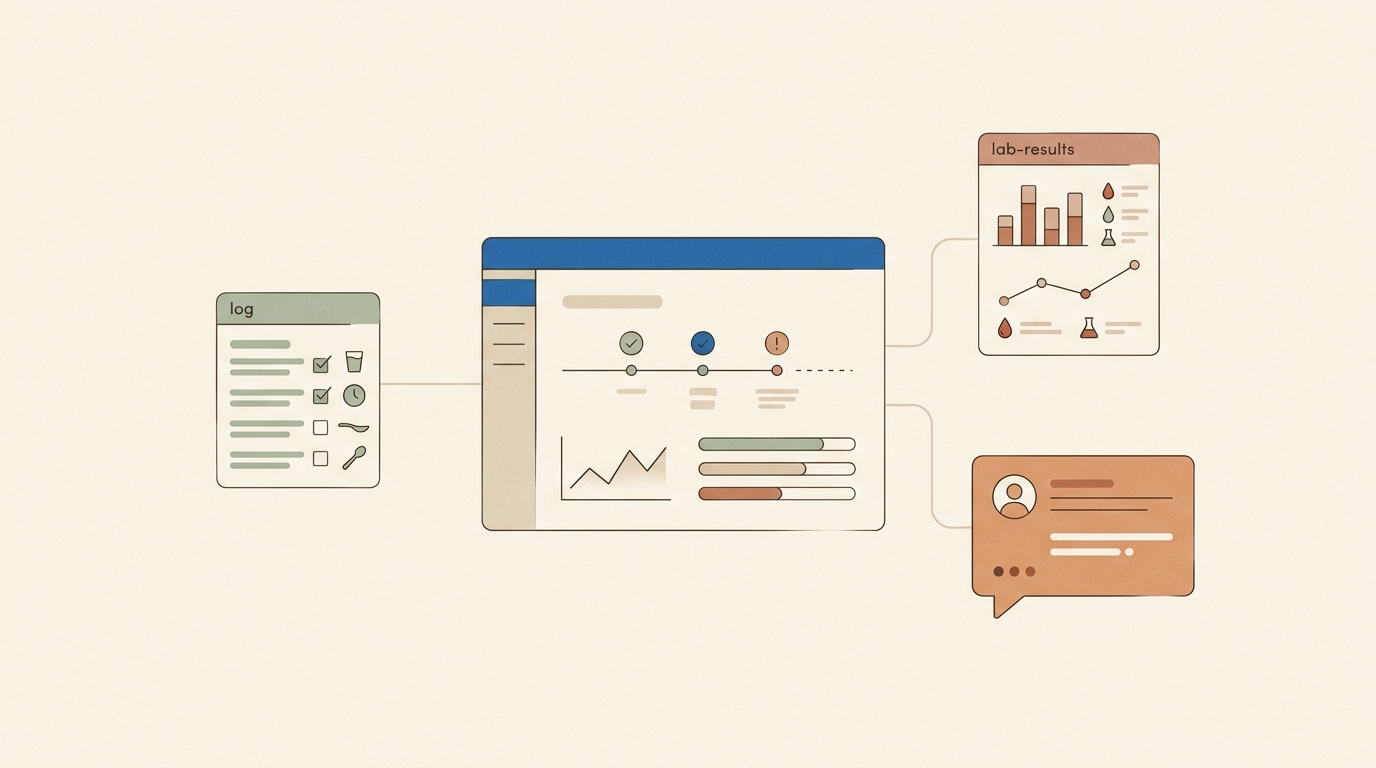
How I built a system to run my life around a chronic illness
A working app I built for myself — it logs my treatments, reads my own blood-test trends, and answers questions with an AI assistant. The start of a build-in-public series.
-
 Part 2
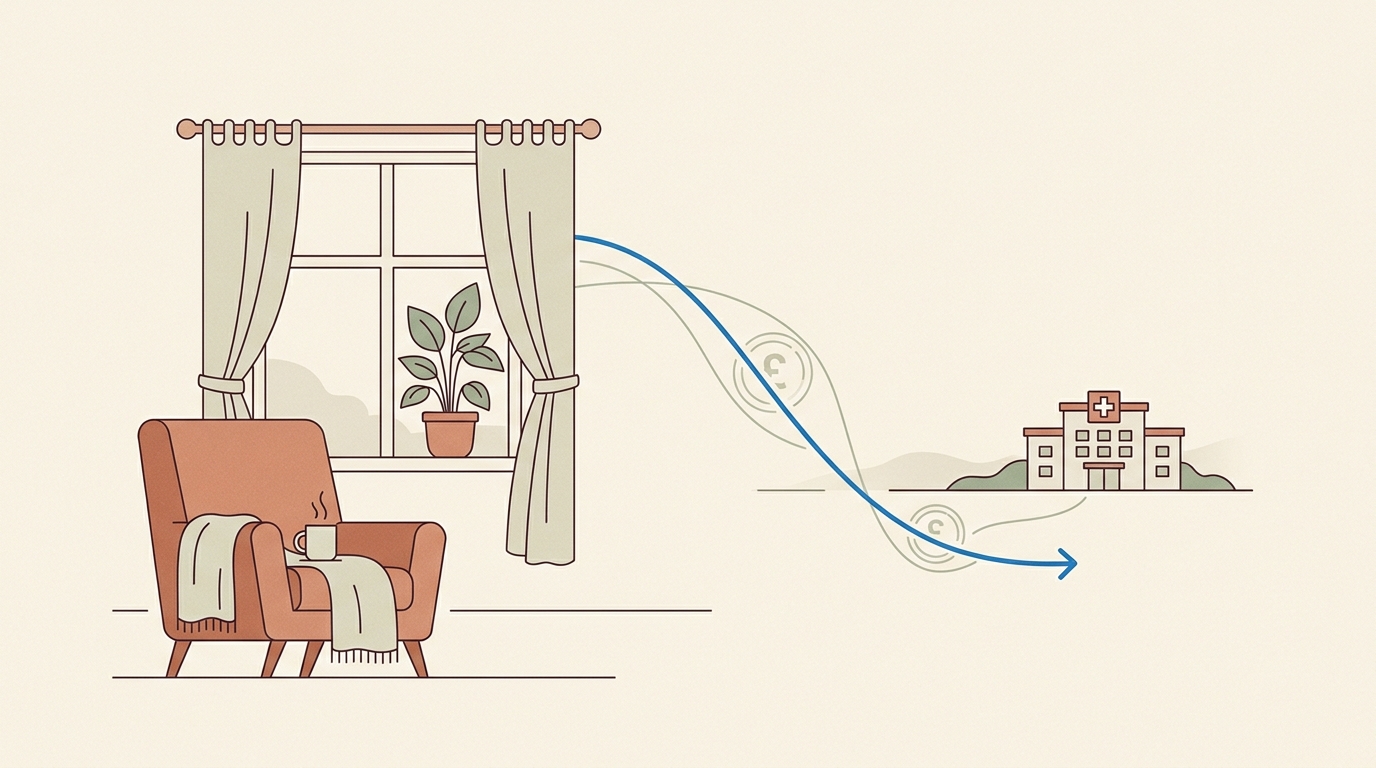
Home dialysis saves the NHS thousands — and it's the better treatment
Treat in a hospital unit, or at home. I chose home — then got curious what that choice is worth, to me and the NHS. The numbers are clear, the targets exist, and the country is missing them.
-
 Part 3
Logging a dialysis session: the UX that makes people actually do it
A treatment isn't a moment, it's an evening — a before, a during, an after, several times a week. The app just follows those three steps so I can attend to the treatment, not the paperwork.
-
 Part 4
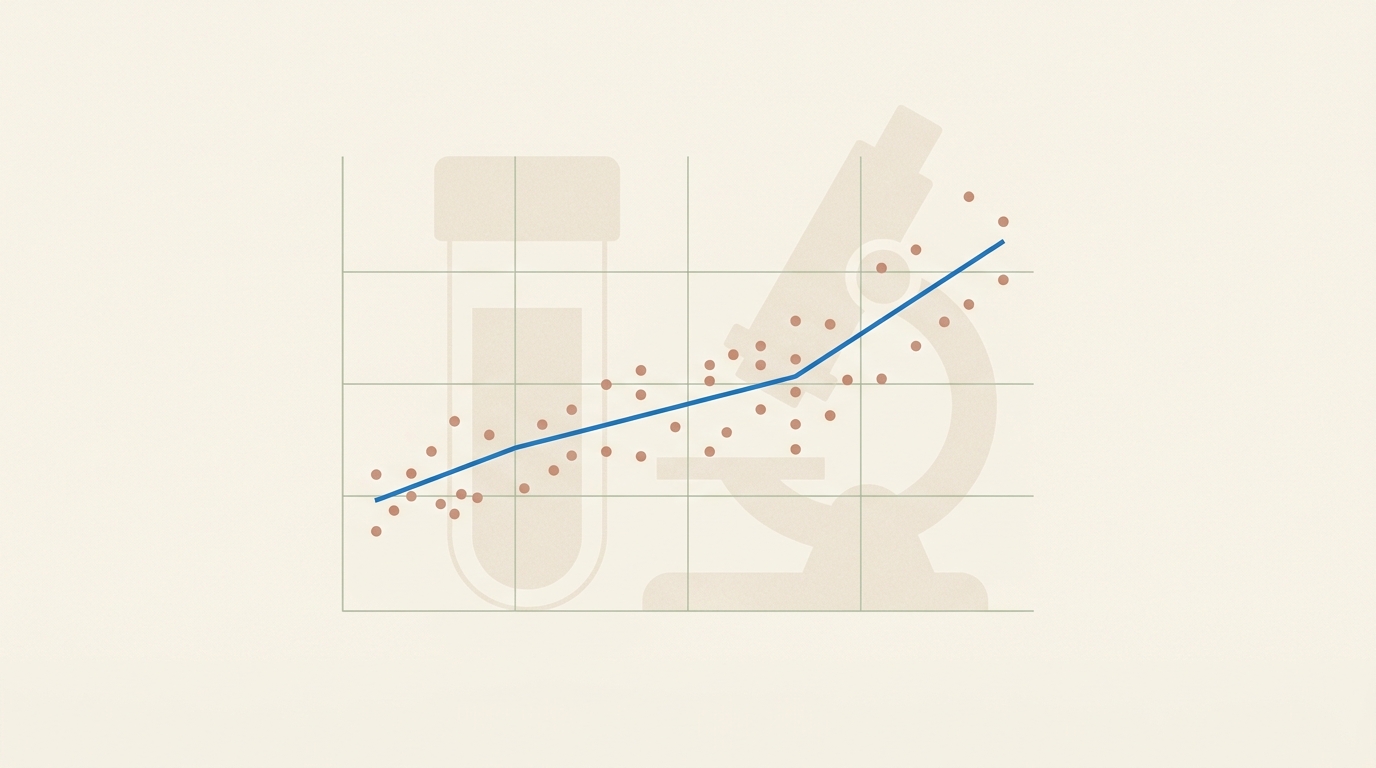
Turning blood tests into trends: lab data you can act on
Once a month, results land and I want to know one thing: is this trending the right way? For two years the answer hid in a folder of PDFs. So I built something that could actually tell me.
-
 Part 5
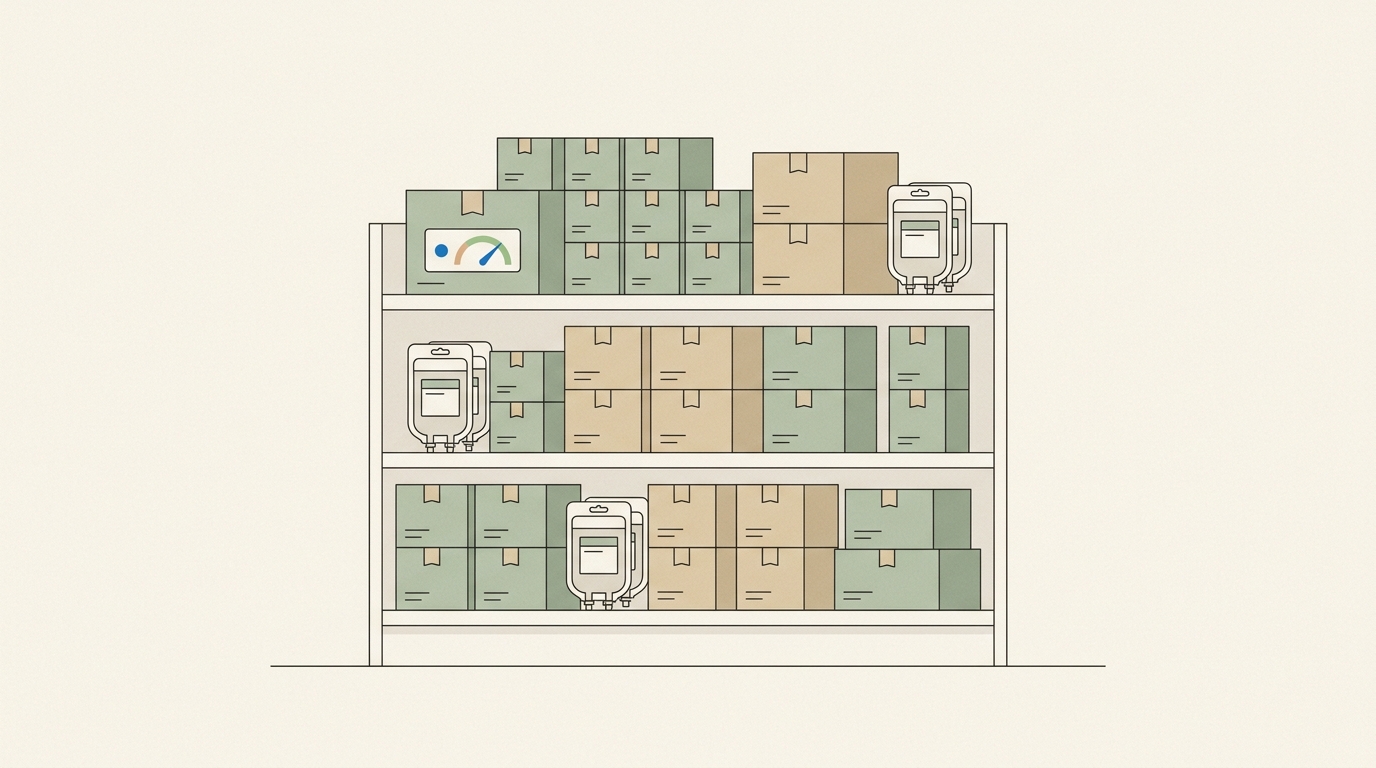
Tracking treatment consumables without thinking about it
Counting bags in a cupboard the night before a bank holiday, one short of a treatment I couldn't skip. How the app turned supplies into a colour I only have to glance at.
-
 Part 6
Building an in-app knowledge base your past self will thank you for
The machine beeps a code I've fixed before and can't remember. Hard-won knowledge fades — so I gave it somewhere to live, in my own words, that also grounds the AI assistant.
-
 Part 7
Bringing body data into a health app: fitness trackers + dialysis
Same numbers on the sheet, but some days I run on nothing. The answer was in body data I'd never looked at — sleep, resting heart rate, recovery — the foundation for a readiness score.
-
 Part 8
Personalized settings in a health app: one number changed everything
Health apps assume you're average; my condition is the opposite. The settings page is where the app learns my baseline — dry weight, session length, my own AI key, my data on export.
-
 Part 9
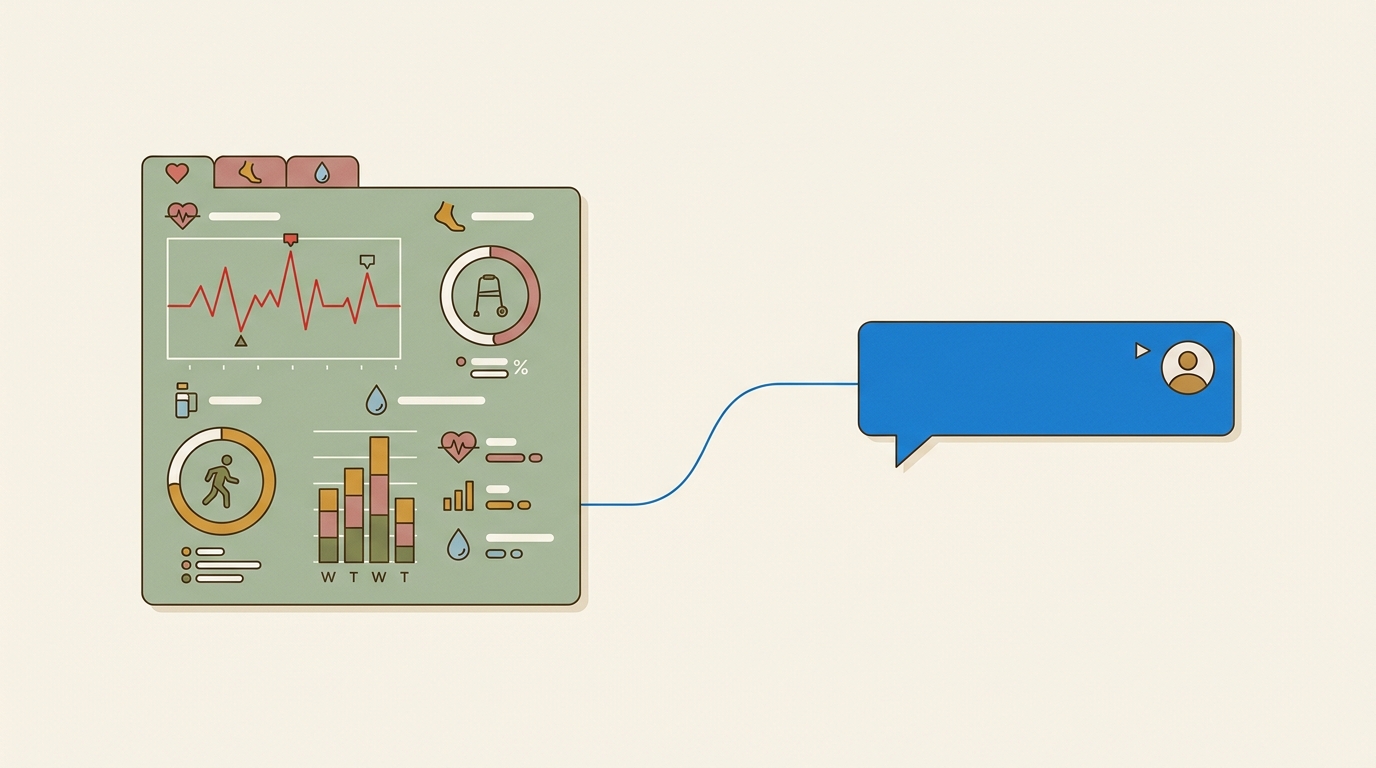
"Why am I itching this week?" — and it actually knew
One tired night I typed a vague question into my app and it pointed straight at the blood marker that had moved — my number, not a textbook. The trick: rebuild the prompt from live data every turn.
-
 Part 10
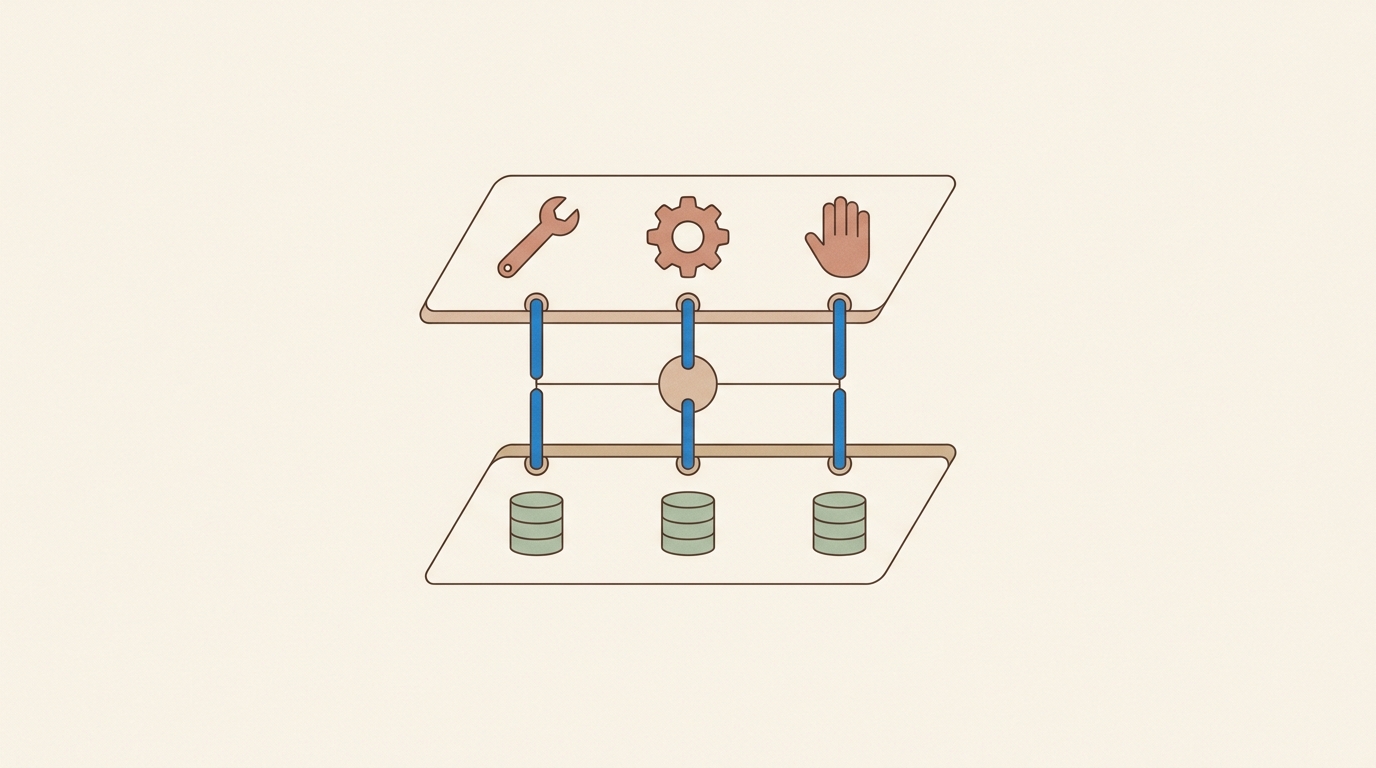
Giving an AI assistant hands: MCP in practice
The first time it pre-filled a form was a thrill and a small alarm at once. I don't want an AI quietly writing to my health records — so I gave it hands, and kept them on a short leash.
-
 Part 11
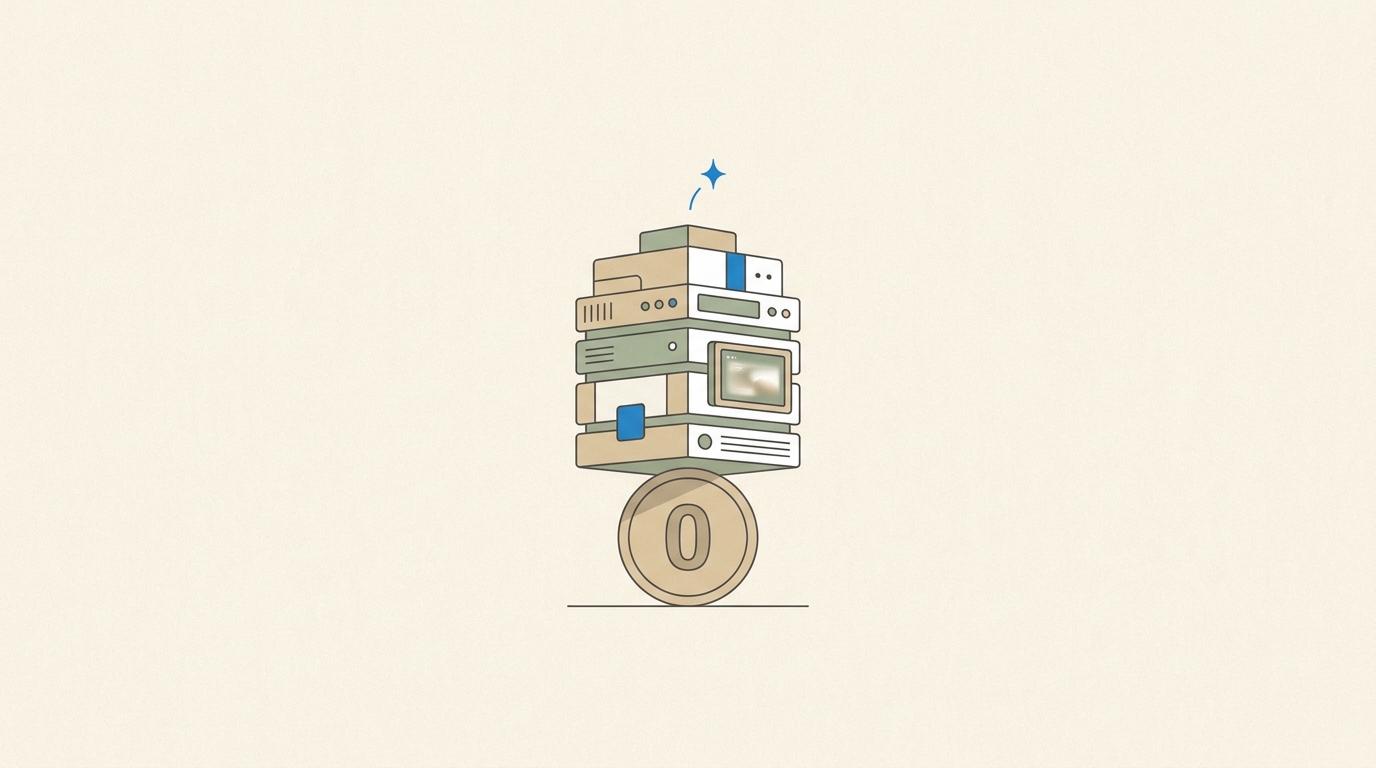
Running a health app on zero pounds (all-free-tier GCP)
A tool I depend on, built solo with no budget. Two rules shaped it: cost me nothing to run, and never make me wait mid-treatment. One architectural choice satisfies both.
-
 Part 12
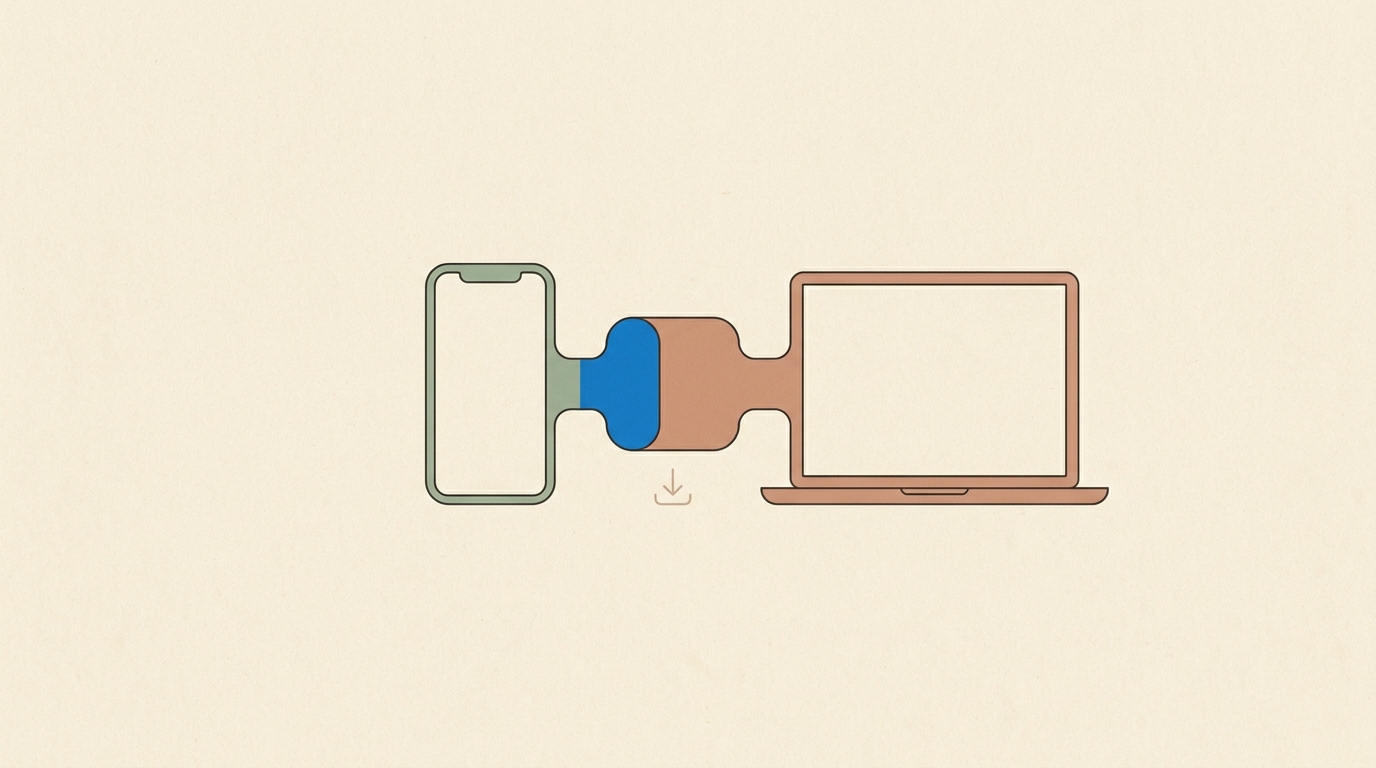
A local-first community health app: why I'd keep data off the cloud
My version lives in the cloud and that suits me — but the same worry kept coming back from others: no account, nothing online. Fair. So from one codebase I build a version that never leaves your phone.
-
 Part 13
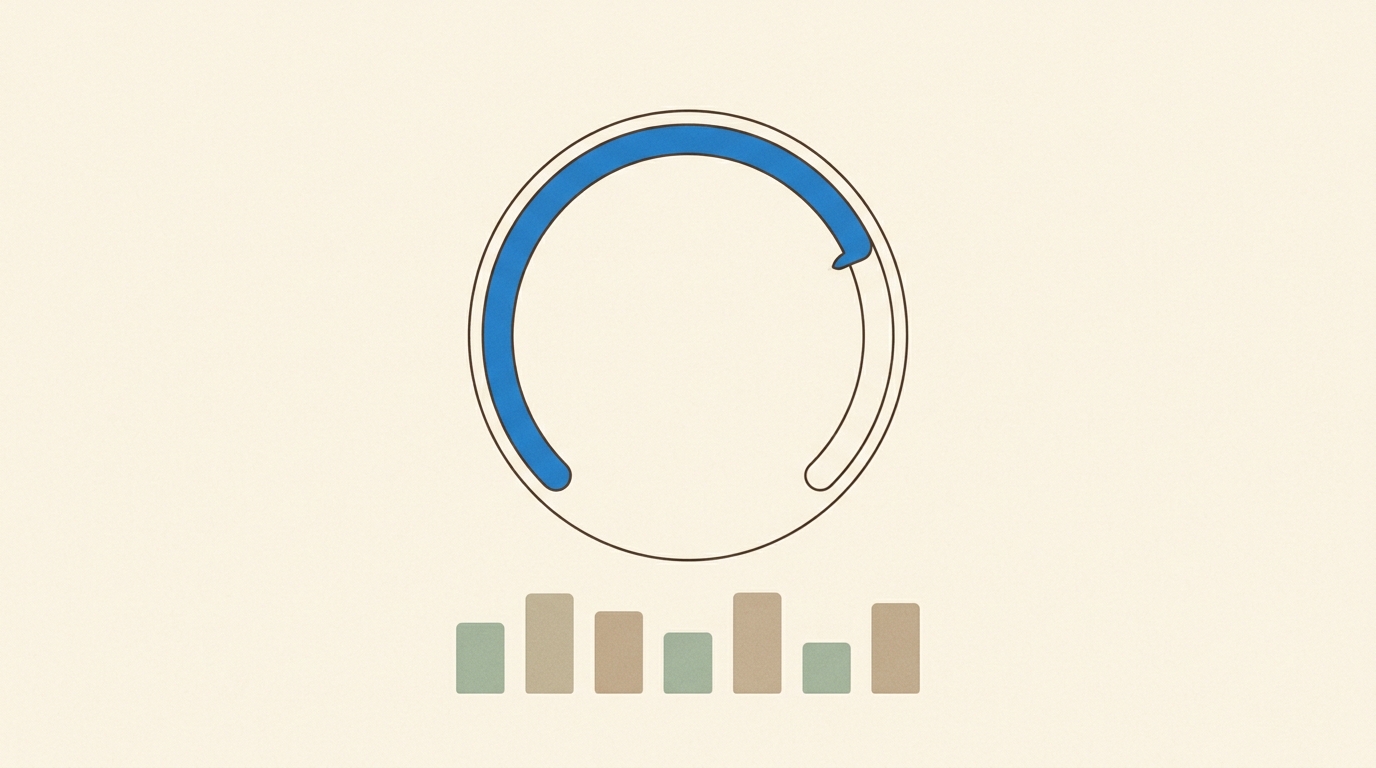
How to build a daily readiness score from health data
I wake up and guess what my body will allow — and when I guess wrong I waste a good day or wreck a bad one. This is the part I'm still building, to stop the guessing. Honest about what's real.
-
 Part 14
A readiness engine for any condition (not just wearables)
The last post. It began with a patient tired of guessing and ends with a pattern I'm sure transfers far beyond my own condition. What's left to build, and the invitation.
-
 Part 15
A weekly adequacy number from data you already log
A bonus part. There's one tile I keep sketching: a weekly "am I getting enough treatment?" number computed from data I already log, no blood draw. Here's how I'd build it — and the one honest gate that decides whether it ships at all.